
Blog
Our Blog
What to Look for When Comparing Tree Removal Companies Near You
Choosing the right tree removal company can feel overwhelming, especially when safety, property protection, and cost are all on the line. While many companies may appear similar at first glance, key differences can have a major impact on your experience and results.
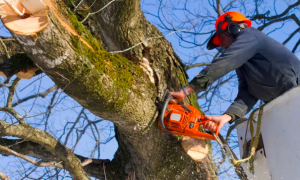
Things to Look for in a Tree Removal Company
By knowing what to look for when searching “tree removal companies near me Atlanta GA” on Google, you can confidently select a reliable professional who meets your needs.
Proper Licensing and Insurance Coverage
First and foremost, always check that a tree removal company is properly licensed and insured. Licensing shows that the company meets local requirements and follows industry standards. Insurance, on the other hand, protects you from liability if accidents or property damage occur during the job.
Without these basics, you could face unexpected costs or legal issues. Therefore, reputable companies willingly provide proof of licensing and insurance upfront.
Experience and Local Knowledge
Next, consider how much experience the company has, especially in your local area. Tree species, soil conditions, and weather patterns vary by region, and local knowledge plays a big role in safe removal.
Experienced professionals understand how different trees behave and know how to handle common challenges in your neighborhood. As a result, they can work more efficiently while reducing risks.
Safety Practices and Equipment
Safety should always be a top priority. Reliable tree removal companies follow clear safety protocols and use professional-grade equipment. This includes harnesses, ropes, cranes, bucket trucks, and protective gear.
Additionally, they take time to assess the surroundings before cutting begins. When a company emphasizes safety planning, it shows they care about both their crew and your property.
Transparent Pricing and Detailed Estimates
While price matters, it should never be the only deciding factor. Look for companies that provide clear, written estimates explaining what’s included in the service. Transparent pricing helps you avoid surprise fees later.
Furthermore, a detailed estimate often reflects a thoughtful approach to the job. It shows the company has taken time to evaluate your specific situation rather than offering a generic quote.
Reviews, References, and Reputation
Online reviews and customer testimonials offer valuable insight into a company’s reliability. Pay attention to comments about professionalism, punctuality, cleanup, and communication.
In addition, reputable companies are happy to provide references if requested. Consistently positive feedback is a strong sign that the company delivers quality service.
Range of Services Offered
Another important factor is the range of services available. Some companies only handle basic removals, while others offer stump grinding, debris removal, emergency services, and preventive maintenance.
Choosing a company with broader services can save time and effort, especially if additional work becomes necessary after the initial removal.
Communication and Customer Service
Finally, notice how the company communicates from the first interaction. Friendly, clear, and responsive communication makes the entire process smoother. Professionals who answer questions patiently and explain their approach help build trust.
Good customer service often reflects how the company will handle the job itself, from start to finish.
Conclusion: Things to Look for in a Tree Removal Company
When comparing tree removal companies near you, taking a little extra time to evaluate your options pays off. By focusing on licensing, experience, safety practices, pricing transparency, reputation, service range, and communication, you can make a well-informed choice. Ultimately, the right company will not only remove your tree safely but also give you peace of mind throughout the process.
Questions to Ask Before Hiring a Tree Removal Company in Atlanta
Hiring a tree removal company is a big decision, especially in a busy city like Atlanta where trees often sit close to homes, power lines, and commercial properties. Asking the right questions upfront helps you avoid costly mistakes and ensures the job is handled safely and professionally.

Questions to Ask Before Hiring a Tree Removal Company
With that in mind, here are the most important questions to ask before choosing tree removal companies near me Atlanta GA.
Are You Licensed and Insured in Atlanta?
First and foremost, ask whether the company is properly licensed and insured to operate in Atlanta. Licensing shows the business meets local requirements, while insurance protects you if something goes wrong during the job.
Without insurance, you could be held responsible for injuries or property damage. Reputable companies gladly provide proof, so this question should always come first.
What Experience Do You Have with Similar Trees or Properties?
Next, find out how much experience the company has handling trees like yours. Atlanta properties often have large hardwoods, storm-damaged trees, or trees growing near structures.
Experienced professionals understand local tree species and common challenges caused by Georgia’s weather. As a result, they can plan safer and more efficient removals.
How Will You Assess Safety Before Cutting?
Safety should never be assumed. Ask the company how they evaluate risks before starting work. Reliable tree removal companies inspect the tree’s condition, surrounding structures, nearby traffic, and overhead power lines.
This assessment helps them choose the safest removal method. When a company clearly explains its safety process, it shows professionalism and attention to detail.
What Equipment Will You Use for the Job?
Not all tree removals require the same tools. Some jobs may need bucket trucks, cranes, or specialized rigging systems. Asking about equipment helps you understand how the company plans to handle your specific situation.
Proper equipment allows crews to remove trees in controlled sections, which reduces the risk of damage. Therefore, this question gives insight into both safety and efficiency.
Will You Handle Permits or Local Requirements?
In some parts of Atlanta, permits or approvals may be required before removing certain trees. Ask whether the company is familiar with local regulations and if they assist with permits when needed.
Companies with local knowledge help prevent delays, fines, or compliance issues. This support saves you time and reduces stress during the process.
What Is Included in the Estimate?
Before agreeing to any work, ask for a detailed, written estimate. A clear estimate should explain what services are included, such as debris removal, stump grinding, or cleanup.
Transparent pricing helps you avoid unexpected charges later. Additionally, it shows that the company has taken time to evaluate your property rather than offering a one-size-fits-all price.
How Do You Handle Cleanup After Removal?
Tree removal can create a lot of debris. Ask how the company plans to handle cleanup once the tree is removed.
Professional companies leave the site clean and safe, which is especially important for homes, businesses, and shared spaces. Knowing this upfront sets clear expectations.
What Do Past Customers Say About Your Work?
Finally, ask about reviews or references. While online reviews are helpful, direct references offer added reassurance.
Consistent positive feedback about safety, communication, and reliability is a strong sign that the company delivers quality service.
Conclusion: Questions to Ask Before Hiring a Tree Removal Company
Asking the right questions before hiring a tree removal company in Atlanta helps protect your property, your budget, and your peace of mind. By focusing on licensing, experience, safety practices, equipment, transparency, and local knowledge, you can make a confident and informed decision. Ultimately, a trustworthy tree removal company will welcome your questions and provide clear answers every step of the way.
How to Choose the Right Dentist or Oral Surgeon for Dental Implants
Deciding to get dental implants is a big step toward improving your smile and oral health. However, the success of your procedure depends heavily on the expertise of the dental professional you choose. With so many options out there, it can feel overwhelming—but don’t worry. By knowing what to look for, you can make a confident, informed decision.

Choosing the Right Oral Surgeon
Here’s how to choose the right dentist or oral surgeon for dental implants in Raleigh NC.
Look for Proper Training and Credentials
Not all dentists are equally trained in implant procedures. Some general dentists have extensive experience, while others may refer you to an oral surgeon or periodontist. It’s important to check their background.
Ask about their education, certifications, and whether they’ve completed specialized training in implant dentistry. Many qualified professionals belong to respected organizations like the American Academy of Implant Dentistry (AAID) or the International Congress of Oral Implantologists (ICOI). These memberships often reflect a commitment to continuing education and high standards.
Ask About Their Experience with Implants
Experience matters—especially when it comes to surgery. While credentials are important, hands-on experience is equally valuable. Ask how many implant procedures they’ve performed, and if they’ve handled cases similar to yours.
A seasoned professional will confidently explain the process, answer your questions, and provide real examples of past successes. They may even have before-and-after photos or testimonials to share. The more experience they have, the more likely they can handle complex cases with ease.
Evaluate the Technology and Office Environment
Modern dental technology plays a big role in the success of dental implants. A well-equipped office might feature 3D imaging, digital X-rays, and computer-guided implant placement—all of which contribute to accurate, efficient procedures.
During your consultation, take note of the office environment. Is it clean and well-organized? Are the staff friendly and helpful? A welcoming, professional atmosphere can make a big difference in how comfortable and confident you feel throughout the process.
Understand the Treatment Plan and Costs
Before committing to a provider, make sure you understand the full scope of the treatment plan. This includes how many appointments you’ll need, the type of implant being used, and any preparatory procedures, such as bone grafting.
Discuss the total cost, payment options, and whether your dental insurance will cover any part of the procedure. A good dentist or oral surgeon will be transparent about pricing and will help you plan for each phase of the process.
Read Reviews and Get Referrals
One of the best ways to learn about a dental professional is through word of mouth. Ask friends, family, or your general dentist for recommendations. You can also read online reviews to see what other patients have experienced.
Look for patterns in feedback. Are patients happy with their results? Was the staff supportive? Did people feel comfortable and informed? Positive reviews and referrals can offer peace of mind and help guide your choice.
Conclusion: Choosing the Right Oral Surgeon
Choosing the right dentist or oral surgeon for dental implants is essential to your comfort, confidence, and long-term success. Remember, this is an investment in your smile—take your time and choose someone who makes you feel truly cared for.
What to Know Before Installing an Electric Vehicle Charger at Home
As electric vehicles (EVs) become more popular, the demand for home charging stations has grown. Installing an electric vehicle charger at home offers convenience, allowing you to charge overnight and be ready to go the next morning. However, before jumping into installation, there are several important factors to consider to ensure a smooth and safe process.

Everything You Need to Know about EV Charger Installation
This guide covers what you need to know about electric vehicle charger installation Charleston SC.
- Choose the Right Type of Charger
There are three levels of EV chargers, each with different charging speeds and installation requirements:
- Level 1: This is the slowest type, using a standard 120-volt household outlet. It’s simple to install, but it can take up to 24 hours to fully charge an EV.
- Level 2: A faster option that uses a 240-volt outlet, similar to what an electric dryer or oven uses. This type can charge most vehicles in 4-6 hours and is ideal for daily use at home. It requires professional installation.
- Level 3 (DC Fast Charging): This is the fastest type of charger, but it’s typically used in commercial settings. It’s not usually installed at home due to its high cost and power requirements.
Level 2 chargers are the most popular for home use because they offer a good balance between speed and convenience.
- Check Your Home’s Electrical Capacity
Installing a Level 2 charger requires a 240-volt circuit, which may not be available in all homes. Before proceeding, you’ll need to assess your home’s electrical capacity to determine if you have enough power to support the charger.
- Find the Right Location for Installation
The location of your EV charger is important for both convenience and safety. You’ll need a spot near your parking area, whether that’s a garage, driveway, or carport. The charger should be installed within reach of the vehicle’s charging port, and you’ll want to ensure that the wiring doesn’t present a tripping hazard.
In some cases, an extension cord or additional wiring may be required if your vehicle’s charging port is far from the electrical panel.
- Consider the Cost of Installation
While the cost of the charger itself typically ranges from $500 to $1,200 (depending on the brand and features), the installation process can be more expensive. Installation costs can range from $300 to $2,000, depending on the complexity of the electrical work, the location of the panel, and whether you need an upgrade to your electrical system.
- Research Local Permitting and Code Requirements
In many areas, installing a Level 2 EV charger requires a permit, as it involves electrical work that must meet local building codes. The permitting process ensures that the installation is done safely and correctly.
Your electrician will typically handle the paperwork and inspection process for you. It’s important to check with your local government or utility provider to understand any regulations or requirements before proceeding.
Conclusion: Everything You Need to Know about EV Charger Installation
Installing an EV charger at home is a great investment in both convenience and sustainability. However, it’s essential to consider factors like the type of charger, electrical capacity, cost, and safety requirements before moving forward. By working with a licensed electrician and properly planning the installation, you can enjoy the convenience of home charging with peace of mind.
How to Maximize Space in Small Homes: Creative Architectural Solutions
Living in a small home doesn’t mean you have to feel cramped. With the right architectural solutions, you can make your space feel bigger, brighter, and more functional.

Maximizing Space in Small Houses
Whether you live in a tiny apartment or a compact house, these creative ideas will help you maximize every square foot with the help of Orange County architects.
- Use Multi-Functional Furniture
One of the best ways to save space is by using furniture that serves multiple purposes. Consider a sofa bed for your living room or an ottoman with hidden storage. Foldable dining tables and wall-mounted desks can free up space when not in use. These smart pieces allow you to enjoy comfort without cluttering your home.
- Optimize Vertical Space
When floor space is limited, think upwards. Install tall shelves, floating cabinets, and hanging racks to store your belongings. High-mounted storage not only saves space but also draws the eye upward, making the room appear taller. Adding loft beds or raised platforms can also create extra space underneath for a workstation or storage area.
- Open Up the Layout
An open floor plan can make a small home feel much larger. If possible, remove unnecessary walls to create a seamless flow between rooms. Using sliding doors or pocket doors instead of traditional hinged ones can also save space. Additionally, using glass partitions instead of solid walls can maintain separation without blocking light or making areas feel closed off.
- Let in Natural Light
Bright spaces feel bigger, and natural light plays a huge role in this. Large windows, skylights, and light-colored walls can help reflect light, making your home appear more spacious. If privacy is a concern, consider sheer curtains or frosted glass instead of heavy drapes or solid doors. Mirrors are another great trick to enhance light and give the illusion of a larger room.
- Built-In Storage Solutions
Built-in storage helps eliminate clutter without taking up extra room. Custom shelving, under-bed storage, and recessed cabinets make use of every available inch. A built-in bench with storage underneath can serve as both seating and a place to keep items out of sight. By integrating storage into your home’s design, you maintain a clean and organized look.
Conclusion: Maximizing Space in Small Houses
Maximizing space in a small home is all about smart design and creative solutions. From multi-functional furniture to built-in storage, every choice you make can enhance both functionality and comfort. With these architectural ideas, you can transform your small space into a stylish and efficient living area. Embrace these tips, and you’ll never feel confined in your home again!
When to Call an Emergency Electrician
Electricity is a fundamental part of modern life, powering everything from lights to appliances. However, electrical issues can sometimes arise unexpectedly and require immediate attention. Knowing when to call an emergency electrician can help you address problems swiftly and safely.
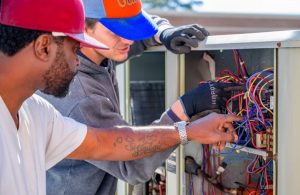
When Should You Contact an Emergency Electrician
Here’s a friendly guide to help you recognize the signs that indicate you should seek an emergency electrician Atlanta GA.
Flickering or Dimming Lights
If you notice that your lights are flickering or dimming, it might be more than just a minor inconvenience. Flickering lights can indicate a loose or faulty connection, which poses a potential fire hazard. Additionally, if multiple lights are affected, it could be a sign of an overloaded circuit or a more serious electrical issue. In such cases, it’s best to call an emergency electrician to diagnose and fix the problem before it escalates.
Burning Smells or Unusual Noises
A burning smell coming from an outlet, switch, or electrical panel is a clear warning sign that something is wrong. Similarly, unusual noises like buzzing or crackling sounds can indicate overheating wires or electrical components. Both of these issues can be dangerous and may lead to electrical fires if not addressed promptly. If you detect any of these warning signs, contact an emergency electrician immediately to inspect and resolve the issue safely.
Power Outages and Electrical Surges
Unexpected power outages or frequent electrical surges are more than just an inconvenience—they can signal underlying electrical problems. Power outages may be caused by issues within your home’s wiring or problems with the electrical grid. Electrical surges, on the other hand, can damage appliances and electronics over time. If you experience frequent outages or surges, it’s crucial to call an emergency electrician to identify the root cause and make necessary repairs.
Tripping Circuit Breakers
Circuit breakers are designed to protect your home from electrical overloads by shutting off the power when a problem is detected. If your circuit breakers trip frequently or won’t reset, it could indicate a serious issue with your electrical system. Tripping breakers can be caused by overloaded circuits, short circuits, or faulty wiring. An emergency electrician can help diagnose the problem, address any potential hazards, and restore safe operation to your electrical system.
Exposed Wires or Sparks
Exposed wires are a significant safety hazard that should be addressed immediately. Whether they’re coming from an outlet, a switch, or an exposed junction box, exposed wires can lead to electrical shocks or fires. Similarly, if you notice sparks when plugging in appliances or using outlets, it’s a serious red flag. In both cases, it’s crucial to call an emergency electrician to secure and repair the damaged wiring to prevent accidents and ensure safety.
Conclusion: When Should You Contact an Emergency Electrician
Recognizing when to call an emergency electrician is key to maintaining a safe and functional electrical system in your home. Don’t hesitate to contact an emergency electrician if you encounter any of these warning signs—they are equipped to handle urgent electrical problems and keep your home safe and secure.
Recent Comments